
Meet Claude
Grown-up versus kid: battle for the best movie-night invite, learn three tricks, then win the rematch.
Start here
Misha asked Buzzy for 'a snack' and got a mountain of food. Then she asked for 'three small snacks for a movie, nothing sticky' and got exactly that tray. Same AI, same evening — different ask. Tonight you find out which kind of asker each of you is, and the only fair way to find out is a battle.
- ⚔️ Round 1 — each of you writes a prompt for the same job, cold, and the other one gives it stars.
- 🎬 Watch — a short video and a comic about why one answer beat the other.
- 💡 Learn — three tricks, each shown before and after.
- 🏆 Rematch — same job, with the tricks — then one small fix to polish it.
- 🎲 Bonus — a question game about each other, if you have time.
- 📦 Wrap up — the final score, and one thing to save.
Two people, one grown-up's Claude account open in another tab, about 45 minutes. The grown-ups' notes — safety, what to do when stuck — live in the last step.
Before you start — two minutes, once
Claude.ai is for over-18s, so the account is the grown-up's. The grown-up signs in and stays in the room, and the kid types on it with them. That is how the service works, not a rule we made up.
Find these three things together before the battle. We don't say which corner of the screen they sit in — apps get redesigned, and hunting for them is part of it.
- Where a brand-new chat starts. The battle needs a fresh chat for every prompt.
- Where your old chats are kept. Nothing you do tonight disappears from that list.
- The driver rule. Whoever isn't typing reads the answer out loud. Nobody here is the audience.
🧭 Menus move. If a button is not where this says, go hunting for it together — finding it is the skill, and the idea outlasts the layout.
Tonight fits inside a free account
A free account gives you a number of messages, then asks you to wait a while. Every message tonight is counted and the whole session fits — the battle and the rematch take four between them, and they matter most.
- One good message beats three vague ones. That is also tonight's whole lesson.
- Talk between messages. The best minutes are the ones where nothing is being typed.
Nothing in this camp asks you to upgrade.
Round 1 — battle, cold
Get Claude to write the WhatsApp invite for a movie night at your home this weekend. It goes to one real guest — a grandparent, a cousin, a neighbour, whoever you would actually ask — and it has to be good enough to send without changing a word.
- Ninety seconds each. Write it the way you would normally ask — no tips yet, that is the point.
- Write apart. No peeking at each other's words.
- Each prompt goes into its own brand-new chat, so neither answer can see the other.
- The grown-up's account runs both. The kid types their own prompt.
Each prompt goes into its own brand-new chat in Claude. Read each answer out loud — standing up is allowed — before anyone awards a star. Your words stay in this browser; nothing is sent to us.
🧑⚖️ Can't agree on the stars? Let Claude referee (costs one extra message)
Be the referee of a prompt battle. Below are two invites, A and B, for the same movie night. Give each one point for each of these: it is clearly written for its guest; it fits on one phone screen; it could be sent without any changes. Show the two scores, then say in one sentence what the lower one is missing. Do not guess who wrote which. A: [paste invite A] B: [paste invite B]
Watch together, then say hello
This video is from 'Meet Generative AI', lesson 10 of our Python & AI PlayCamp, so it talks about AI chatbots in general — every idea in it works the same way in Claude. Watch it together, then pause and say out loud one thing your Round 1 prompt forgot to tell Claude. If the video mentions Python code, skip past it: this camp has none.
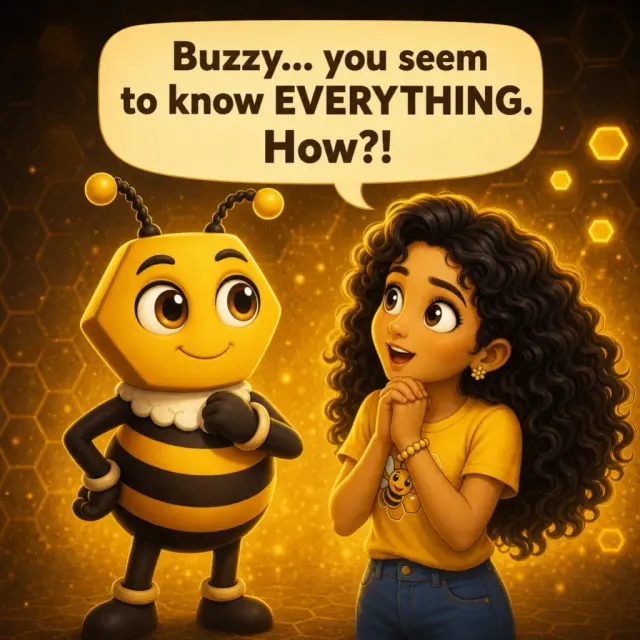
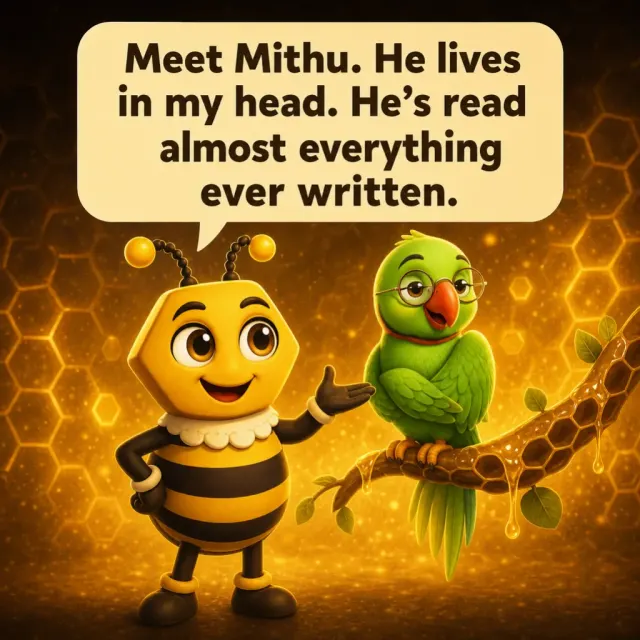
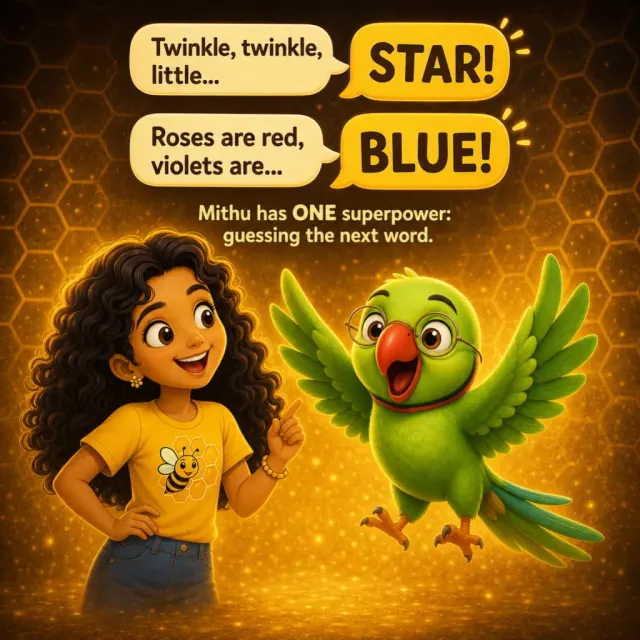

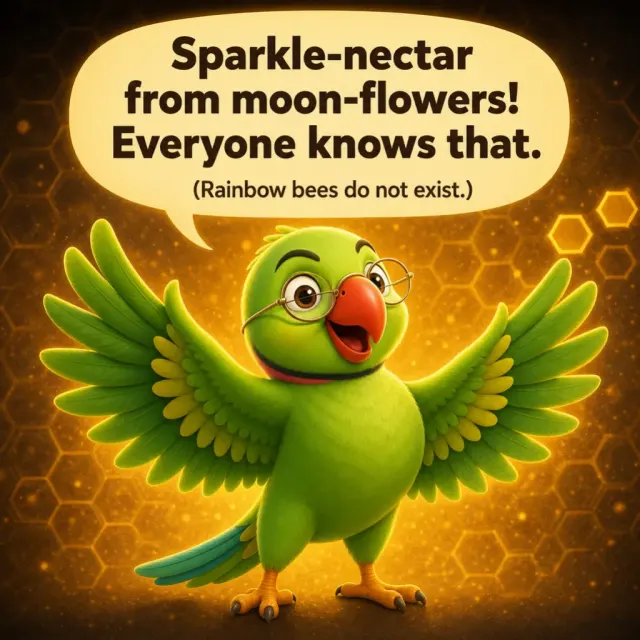

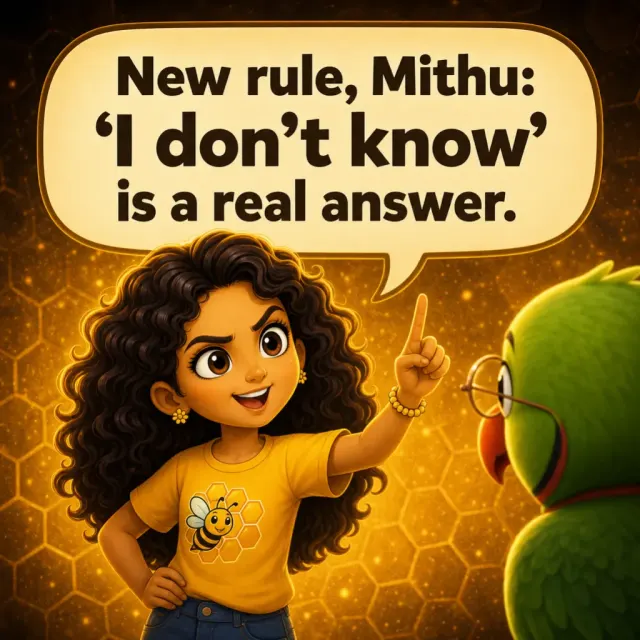

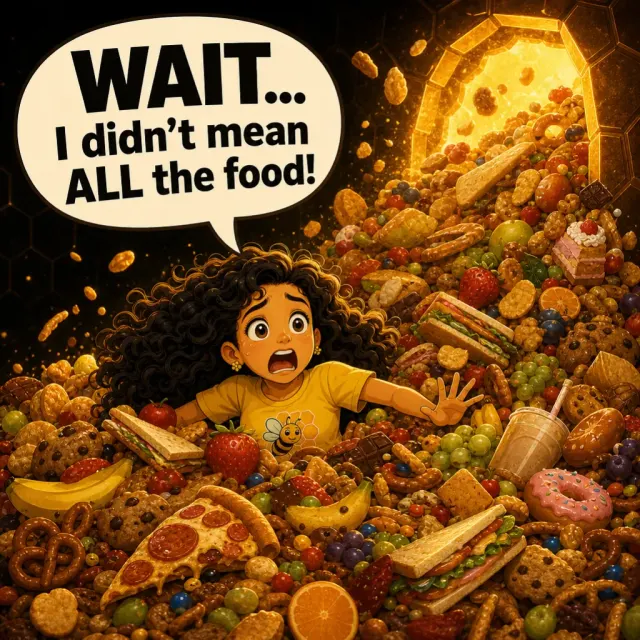
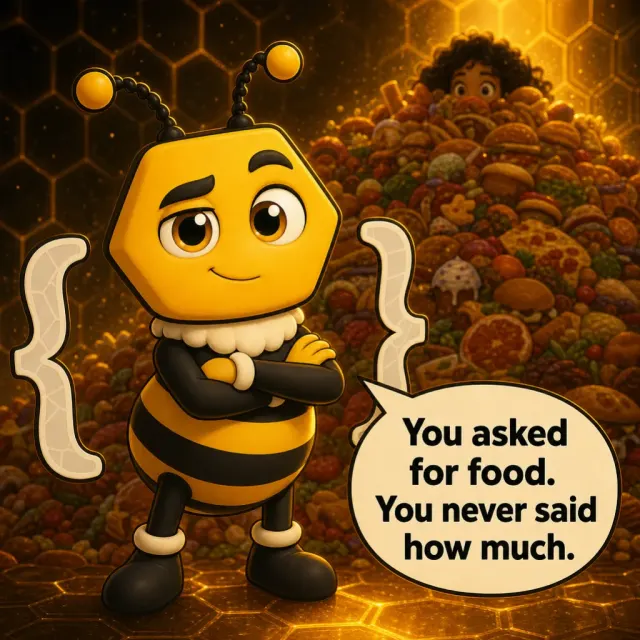
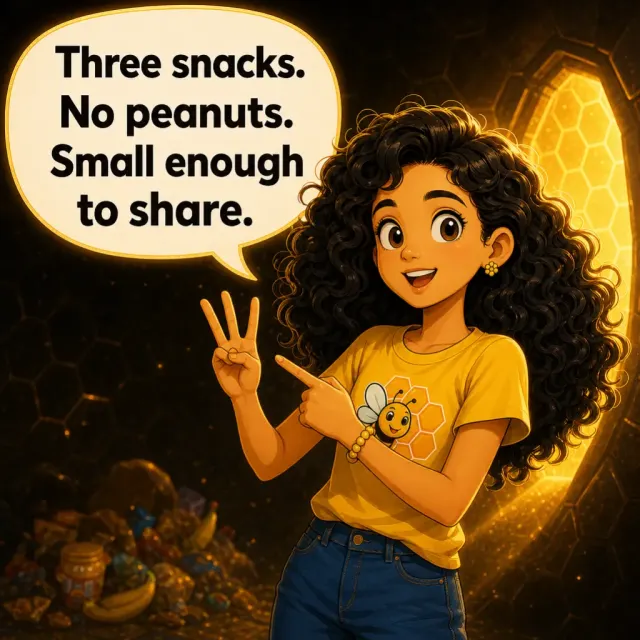

Claude can't read your mind. It only knows what you type — so say who it's for, give it a number, and say what must be in it. Buzzy is the app you tap; Mithu is the model that writes; neither of them can guess the bit you left out.
Now say hello yourselves
One message, in a new chat. Each card says who types it.
Hi Claude. We are a parent and a kid doing a 15-session family camp together, on one account, on the free plan. This is session 1. In four short sentences: what are you, what are you genuinely good at, and what is one thing you are bad at? Use words a nine-year-old knows.
Three tricks
Each trick earns one of the battle's stars. Read the before and the after out loud — you will hear the difference.
Say who it's for
Name the one person it's for, and one thing about them.
Claude can't see who you're talking to. Tell it, and it picks the words for that one person instead of for everybody at once.
Give it a number
'Short' is a feeling. 'Under 40 words' is a target.
Claude's idea of short and yours are different. A number means the same thing to everyone — and you can check it by counting.
Say what must be in it
List what it can't forget, and tell it to use only those details.
Leave out the time and Claude will make one up — confidently. What you list is what you get.
One change, not five
The rematch is where you use all three tricks at once. After that, the pros do something slower and smarter.
When an answer isn't quite right, don't retype the whole thing and don't just say "better".
- Name one thing. Not "it's bad" — "it's too long", "it made up the time", "it sounds like a teacher".
- Change one thing. Add one sentence that fixes exactly that, and leave every other word alone.
Change one thing and you find out what that thing does. Change five and you learn nothing, because you can't tell which one worked. The Polish round below is where you try it.
Four prompts for the same movie-night invite. Only one earns all three stars. Both of you say your pick out loud before anybody clicks.
The Rematch
Get Claude to write the WhatsApp invite for a movie night at your home this weekend. It goes to one real guest — a grandparent, a cousin, a neighbour, whoever you would actually ask — and it has to be good enough to send without changing a word.
Same job, same guest, same three stars — and two fresh chats. The only thing that changes is you: you know three tricks now, and the Spec-o-meter lights up as you type.
- ○ 👤 Say who it's for
- ○ 📏 Give it a number
- ○ ✅ Say what must be in it
A hint that reads your words for the three tricks — not a grade. The stars still come from each other.
- ○ 👤 Say who it's for
- ○ 📏 Give it a number
- ○ ✅ Say what must be in it
A hint that reads your words for the three tricks — not a grade. The stars still come from each other.
Each prompt goes into its own brand-new chat in Claude. Read each answer out loud — standing up is allowed — before anyone awards a star. Your words stay in this browser; nothing is sent to us.
🧑⚖️ Can't agree on the stars? Let Claude referee (costs one extra message)
Be the referee of a prompt battle. Below are two invites, A and B, for the same movie night. Give each one point for each of these: it is clearly written for its guest; it fits on one phone screen; it could be sent without any changes. Show the two scores, then say in one sentence what the lower one is missing. Do not guess who wrote which. A: [paste invite A] B: [paste invite B]
The Polish round — one change, one more try
This is the part that teaches. Everything above was practice at noticing — here the child changes their own work and finds out tonight whether the change helped.
- Step 1 · Fix one thingLook at the rematch stars. Whoever has fewer — or both of you, if it's a tie — picks the ONE star that answer still missed and says out loud what went wrong: 'it made up the time', 'it's two screens long', 'it could be for anybody'. Then write exactly one sentence that fixes that. One change only; every other word stays.
- Step 2 · Run it againSend that one sentence as a reply in the same rematch chat — 'Try again, and this time …'. One message, tonight, before anyone goes to bed. Everything before this, the page told you what to do; this is the first time you find out whether a fix you chose yourself works.
- Step 3 · Did it work?The other player reads the new answer out loud and checks just that one star. If it lit up, you know exactly which sentence earned it, because you only changed one. If it didn't, that is a finding too: what you named wasn't the real problem — say what you'd try next. Tick the star on the scoreboard if it's earned, then the grown-up says out loud which change they would have made.
The re-run is counted in tonight's messages, so it fits — and if the fix did not help, that is a real result too. Say what you would change next and stop there.
Bonus round
Optional, and the funniest ten minutes of the evening. If you are short of time or messages, play it at dinner on paper instead.
Ten Questions, Zero Cheating
Claude prints ten questions and answers none of them. The grown-up takes the odd numbers, which are all about the kid; the kid takes the evens, which are all about the grown-up. Say your answers out loud one at a time and let the other person mark it right or wrong before you move on — no peeking at the list, and no changing your answer once their face has given it away. Wrong answers are worth more than right ones: every time somebody misses, the person the question was about tells the real story behind it, and that story is the reason you are doing this. Then paste your answers back in and let Claude lay out the keepsake page.
Be the quizmaster for a family game. Print ten numbered questions and do not answer any of them yourself. Odd numbers go to the grown-up and are about the kid; even numbers go to the kid and are about the grown-up. Mix easy and sneaky: favourite food, what they were most scared of at age eight, the best day of their year, the song they would sing in the shower, what they would do with a completely free Saturday. One line each.
Here are our answers in order, with a tick where we were right and a cross where we were wrong: [paste your ten answers]. Turn this into a keepsake page titled 'What we thought we knew — Session 1'. Keep every wrong answer exactly as we said it, put our score out of ten at the bottom, and do not add a single fact we did not give you.
Wrap up and save
Make the Memory Box
Every session in this camp ends by saving one thing, and session 15 turns the whole pile into a scrapbook. That only works if the pile is in one place, so make the place now.
Make a project and call it Family Memory Box. A project is a named folder: chats you start inside it stay together, and anything you add to it is there for every chat in the project.
Tonight's first two things go in:
- The battle — all four prompts, the stars, and the winning invite.
- One line saying who is in this family and what you're doing here, so you never have to retype it.
Session 6 explains what a project really is. By then you'll have been using one for five sessions, which is the right way round.
Save the battle into the Memory Box project, titled 'Session 1 — the movie-night battle': all four prompts (Round 1 and the Rematch, both of you), the stars each one earned, and the winning invite. If you played Ten Questions, the keepsake page goes beside it. That is page one, and session 15 turns the whole project into a scrapbook.
Before the next session, ask an older relative — a grandparent, an aunt, whoever picks up the phone — three of Claude's ten questions about someone in the family. No app, no help. Write down what they say, especially the answer that surprises you. That page joins the Memory Box project too. And if movie night is real, send the winning invite.
Session 1 is free for everybody, not just for you — no login, no card, nothing to sign up for. If another family in your class group would do this on a Tuesday evening, send it to them.
That was session 1 of 15.
If the two of you enjoyed that, the other 14 are the same shape — and they end with a scrapbook of everything you made. There is no checkout here; you send one message and Manisha sets you up.